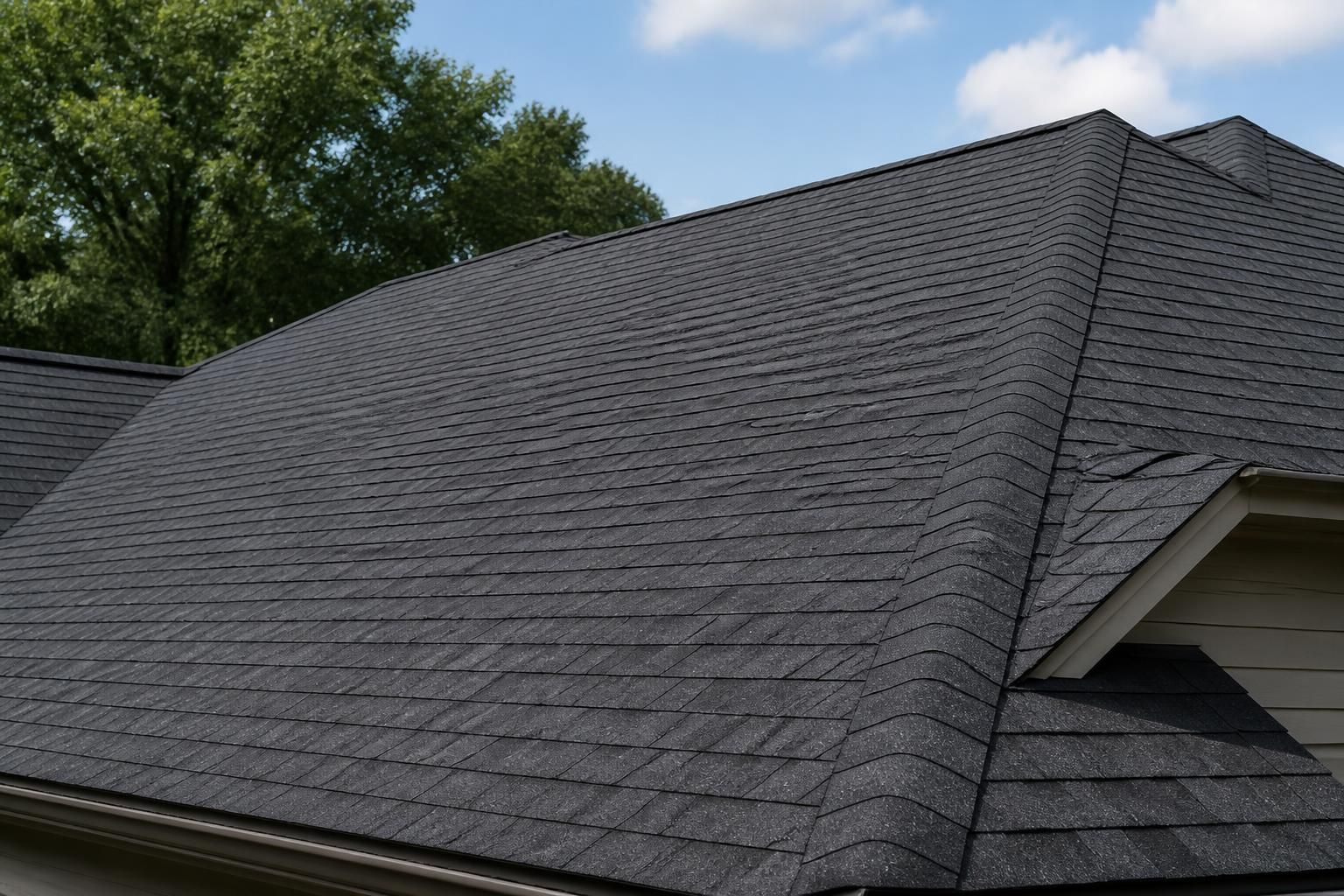
Roof damage after a storm can start small and still lead to stains, drips, loose shingles, or a damp attic before you notice how serious it has become. If you are seeing lifted edges, debris on the roof, water marks indoors, or shingles that no longer sit flat, it is time to have the roof looked at.
Silver Wings Roofing helps property owners on Comburg Dr. Austin, TX assess storm-related roof damage, determine what needs repair, and move forward with a clear plan. We start with a free consultation and roof inspection, then review what we find so you know what condition the roof is really in before any work begins.
Storm damage signs
Storm damage is not always obvious from the ground. Some roofs show missing materials right away, while others develop hidden trouble around seams, vents, or flashing. After a storm, it helps to look for changes you can spot safely from the yard or from inside the home.
- Missing, cracked, curled, or lifted shingles
- Shingle granules collecting near downspouts or around the property
- Water stains on ceilings or walls
- Damp insulation or a musty smell in the attic
- Visible dents, splits, or loosened roof edges
- Debris impact marks or disturbed flashing around roof features
Not every sign means the roof needs a full replacement. Sometimes the damage is limited to a section, a few shingles, or the areas around penetrations and transitions. A close inspection helps separate surface damage from structural concerns.
Inspection first
Before repair work begins, we inspect the roof to understand how the storm affected the surface, edges, penetrations, and drainage points. Silver Wings Roofing uses that inspection to identify visible damage and the spots that may need closer attention because of hidden leaks or shifted materials.
This step matters because storm damage often appears in more than one place. A missing shingle can expose underlayment. A lifted flashing edge can lead to a slow leak. Hail or debris impact can leave marks that are easy to overlook until moisture shows up later.
What we look for
During the inspection, we focus on the areas most likely to fail after severe weather.
- Shingle condition and attachment
- Flashing around chimneys, vents, and roof transitions
- Signs of water intrusion under the roofing surface
- Soft spots, separation, or visible wear on the roof deck from accessible viewpoints
- Gutters and nearby edges where impact can collect or shift materials
Repair options
Once we understand the extent of the damage, we recommend a repair path that matches the roof’s condition. Some roofs only need targeted work. Others need a wider repair because the storm affected multiple sections or exposed older wear that was already present.
- Localized patching
Used when damage is confined to a small area, such as a few missing shingles or a minor leak point.
- Section repairs
Used when a larger portion of the roof surface or flashing has been disturbed and needs coordinated work.
- Replacement planning
Used when damage is widespread enough that a roof replacement is the more practical solution.
We explain what each option means for the roof, so you can decide with a clear understanding of what is urgent and what can wait. If the damage is tied to a larger weather event, we can also help with insurance claims assistance and the documentation that often goes with it.
Repair process
Storm damage repair should feel organized, not rushed. When you call Silver Wings Roofing, the process begins with a conversation about what you noticed and when it happened. From there, we schedule the inspection, assess the damage, and provide a personalized estimate based on the roof’s condition.
After the repair plan is approved, the work is scheduled and completed with attention to the affected areas and the surrounding roof sections. We finish with a final inspection and walkthrough so you can see what was repaired and ask questions about the result.
How the visit works
- Initial consultation
You describe the symptoms, such as leaks, lifted shingles, or debris impact.
- Roof inspection
We look over the roof, note the damage, and identify areas that need repair.
- Estimate review
You receive a detailed outline of the recommended work.
- Scheduled repair
We complete the approved storm damage repairs.
- Final walkthrough
We review the finished work and answer any remaining questions.
Roof types we repair
Storms can affect different roof materials in different ways. A shingle roof may lose tabs, crack, or lift at the edges. A metal roof may show impact marks, loosened fasteners, or damage around seams and transitions. The repair method depends on the material and where the storm struck.
Silver Wings Roofing works on both homes and businesses, and we adjust the repair approach to match the roof system already in place. That helps protect the surrounding materials and keeps the repair focused on the actual damage instead of the whole roof surface.
Common roof systems
- Shingle roofing
- Metal roofing
- Roof assemblies with gutters, flashing, vents, and edge details
After-storm priorities
If you suspect storm damage, a quick response can help limit the spread of water intrusion. Even when the roof is not actively leaking, exposed areas can allow moisture to work into the underlayment or interior spaces after another round of rain.
Start with safe observation from the ground. Avoid walking on a damaged roof. If you notice a ceiling stain, active drip, or loose materials, note where it appears and share that information during the inspection call. Small details often help point to the source faster.
For property owners on Comburg Dr. Austin, TX, it also helps to keep photos of visible damage and note the time of the storm. That record can support the next steps if the roof needs repair documentation or insurance claims assistance.
Comburg Dr. Austin, TX
Storm damage repair for a local roof is more effective when the inspection and repair plan are built around the property’s actual condition. At Silver Wings Roofing, we serve Austin and nearby Central Texas communities, including homeowners and commercial property owners who need clear answers after a storm.
From the first inspection to the final walkthrough, our goal is to make the repair process understandable and direct. If you are dealing with roof damage on Comburg Dr. Austin, TX, we can assess the problem, explain the repair path, and help you move from uncertainty to a roof that is ready for the next weather system.
FAQ
How do I know storm damage is real?
Look for missing shingles, lifted edges, interior stains, granules near the ground, or debris impact marks. A roof inspection can confirm whether those signs point to storm-related damage.
Can storm damage stay hidden?
Yes. Some damage is visible right away, but other problems show up later as slow leaks, loose flashing, or damp attic areas. That is why an inspection matters after severe weather.
What if only part of the roof is affected?
Partial damage can often be repaired without replacing the entire roof. The right approach depends on how far the damage spread and whether nearby materials were affected too.
Do I need a roof inspection after one storm?
If the storm caused visible changes or you suspect impact to the roof, an inspection is a smart next step. Even a single event can loosen materials or expose weak spots.
Can you help with insurance paperwork?
Yes, Silver Wings Roofing helps customers navigate the insurance claims process when roof damage has occurred. We can provide the repair findings needed to support that process.
What happens after the repair is finished?
We complete a final inspection and walkthrough. That gives you a chance to review the repair work and understand what was done to address the storm damage.
 Google Reviews